
배송 및 반품
Europe, UK: Monday, Mar 2 ~
USA: Saturday, Feb 28 ~
Australia: Monday, Mar 2 ~
Asia: Sunday, Mar 1 ~
UAE: Monday, Mar 2 ~
Order within 6 Hours 13 mins with Scheduled Delivery. If you place an order within this time, We will ship Monday, Mar 2 2026. This delivery time is calculated by DHL and FedEx. You can check the exact delivery date on checkout page.
USA: Saturday, Feb 28 ~
Australia: Monday, Mar 2 ~
Asia: Sunday, Mar 1 ~
UAE: Monday, Mar 2 ~
Order within 6 Hours 13 mins with Scheduled Delivery. If you place an order within this time, We will ship Monday, Mar 2 2026. This delivery time is calculated by DHL and FedEx. You can check the exact delivery date on checkout page.
구매자 보호
Full refund if not genuine. Full or partial refund, if the new item is not as described.
커스터머 리뷰 (0 rating)
현재 상품리뷰가 없습니다....
상품설명 (7,009 characters)
Released in September 2022
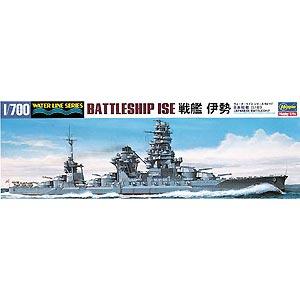
HASEGAWA 1/700 Japanese Battleship Ise. HWL117 Senkan Ise Released in September 2022
[Product Introduction]
HASEGAWA 1/700 Japanese Battleship Ise. The Ise-class battleship was originally planned as the third Fuso-class battleship, but the start of construction was delayed due to the government's financial situation at the time. During that time, the shortcomings of the Fuso class were corrected, and the revised Fuso class, which incorporated countermeasures against American battleships, was finally laid down at the Kobe-Kawasaki Shipyard in 1915. She was completed in December 1917 and was added to the fleet at the same time. The battleships of this time modeled themselves on British battleships, so at first glance their appearance could be mistaken for British battleships, and it was not until a little later that they developed their unique Japanese features. Also, because it was designed as a Kai Fuso type, it is very similar to the Fuso type, but the 3rd and 4th turrets in the center of the ship are placed between the chimneys of the Fuso type, whereas in the Ise type they are carried on the back behind the rear chimney. The big difference is the placement. After Ise was completed, she was registered in the Kure Naval Base, and in April 1918, she was transferred to the 1st Squadron of the 1st Fleet, creating a world of four super-class 36cm gun-equipped ships: Fuso, Yamashiro, Ise, and Hyuga. The strongest fleet has been completed. During this time, it is said that she was dispatched to the northern waters in a support operation accompanying the dispatch of troops to Siberia. After this, Ise made several small modifications, and in 1927 began full-scale renovation work on the foremast, including a firing command post, surveying post, lookout post, irradiation command post, and mast tower command post. The ship's azimuth plate aiming device, measuring plate, etc. were placed on the foremast, creating a familiar Japanese battleship-like bridge. Furthermore, after this, aviation weapons were gradually enhanced, such as installing a water reconnaissance mounting platform on the 5th turret and placing a catapult on the rear deck. In this way, in the Showa era, the capabilities of battleships of each country increased, and the capabilities of aircraft also increased dramatically. In order to counter this, in 1935, modernization work began with the aim of strengthening the ship's gun fighting capabilities, improving horizontal and underwater defenses, and increasing speed. Ise was the last to undergo a series of battleship modernization projects, and it is said that all the results were put into use, making her the second most powerful ship after the Nagato-class battleships. Ise entered the Pacific War in this state, although there were minor modifications such as the addition of an air defense command post. During the attack on Pearl Harbor in December 1941, she departed from the Bungo Channel on December 8, the day of the attack, and sailed into the Pacific Ocean for the purpose of "supporting the evacuation of the task force." This is said to be for when the task force suffers damage, but it seems to be true that it is for medals. Of course, there was no need for the support of the task force, and it ended up being just a procession of daimyo. After this, the task force destroyed the enemy Pacific Fleet, so there was no immediate enemy left and the battleships simply spent their days training. In June 1942, she also sortied as a support ship for the diversionary Aleutian Campaign at the Battle of Midway, but this time too it ended without any action. Battles in Hawaii, the Indian Ocean, the Coral Sea, and Midway had become an era of aircraft carriers and aircraft, and the era of battleships was rapidly coming to an end. Now, after losing four of their main aircraft carriers at Midway, the Navy decided to replace them with flight decks on slow-moving battleships that had lost their value, making them into aviation battleships, and the Ise and Hyuga were refurbished. That's what I did. Renovation work was completed in August 1943, creating a half-battleship, half-aircraft carrier aircraft battleship unlike any other in the world. The onboard aircraft are Comet and Zuiun. The ship was launched using a catapult, and since landing was not possible, the Comet was stored on another aircraft carrier or land base, and the Zuiun landed in the water and was stored in a derrick. For this reason, the Air Battleship Ise, an air squadron dedicated to Hyuga, and the 634th Air Squadron have also been formed. Meanwhile, the war situation continued to deteriorate, and the carrier air force was destroyed in the Battle of the Marianas. Then, when the American military began its invasion of the Philippines and the reviving Operation Shoichi-go was announced, in October 1944, Ise sortied as an aircraft carrier for the aircraft carrier decoy fleet under the command of Vice Admiral Jisaburo Ozawa. . However, at this time, Ise did not have 634 aircraft and there was not a single aircraft in the hangar, so it may not have been called an aircraft carrier. Ozawa's fleet succeeds in attracting Halsey's fleet off the coast of Cape Engano, but at a great cost, losing four aircraft carriers of the 3rd Air Fleet: Zuikaku, Zuiho, Chitose, and Chiyoda. In this naval battle, Ise fought hard to protect Zuikaku and Zuiho, exchanging enemy bullets one after another with her outstanding maneuverability, and was only hit by a few close-range bullets, but she survived with only minor damage. After this, Ise returned to the mainland and sailed to Singapore, where it was loaded with a large amount of gasoline and other important supplies. Ise departed from Singapore on February 10, 1945, broke through the sea where U.S. submarines were jumping, and safely returned to Kure on February 20, making Operation Kita a brilliant success. I'm letting you do it. After returning to Kure, she was unable to be used as a battleship due to lack of fuel, so she was placed in reserve and moored in Kure Port as a floating battery. Even though it was a reserve ship, it was originally a battleship, and the U.S. military had no reason to leave it alone, so it was hit by several air attacks without moving, and was severely damaged in an air raid on July 28, 1945. , I've hit the bottom. At this time, Ise fired 10 main gun shells, around 400. The last one of them stopped firing, and I finally fired it, but this one was said to be the last main gun shell fired by the Imperial Navy battleship. (Key points) Final standard displacement: 35,200 tons Overall length: 219.62 m Water line length: 213.36 m Maximum width: 33.83 m Main engine: 4 ship-type turbines 4 shafts output: 80,000 horsepower Speed: 25.3 knots Cruising power: 16 knots 9,500 m Nautical armament: 36cm twin guns x 4, 12.7cm twin high-angle guns x 8, 16 guns, 25mm triple machine guns x 31, 93 guns, 25mm single machine guns x 11 Painting assembly kit□
Tags:
HASEGAWA 1/700 Japanese Battleship Ise. HWL117 Senkan Ise Released in September 2022
[Product Introduction]
HASEGAWA 1/700 Japanese Battleship Ise. The Ise-class battleship was originally planned as the third Fuso-class battleship, but the start of construction was delayed due to the government's financial situation at the time. During that time, the shortcomings of the Fuso class were corrected, and the revised Fuso class, which incorporated countermeasures against American battleships, was finally laid down at the Kobe-Kawasaki Shipyard in 1915. She was completed in December 1917 and was added to the fleet at the same time. The battleships of this time modeled themselves on British battleships, so at first glance their appearance could be mistaken for British battleships, and it was not until a little later that they developed their unique Japanese features. Also, because it was designed as a Kai Fuso type, it is very similar to the Fuso type, but the 3rd and 4th turrets in the center of the ship are placed between the chimneys of the Fuso type, whereas in the Ise type they are carried on the back behind the rear chimney. The big difference is the placement. After Ise was completed, she was registered in the Kure Naval Base, and in April 1918, she was transferred to the 1st Squadron of the 1st Fleet, creating a world of four super-class 36cm gun-equipped ships: Fuso, Yamashiro, Ise, and Hyuga. The strongest fleet has been completed. During this time, it is said that she was dispatched to the northern waters in a support operation accompanying the dispatch of troops to Siberia. After this, Ise made several small modifications, and in 1927 began full-scale renovation work on the foremast, including a firing command post, surveying post, lookout post, irradiation command post, and mast tower command post. The ship's azimuth plate aiming device, measuring plate, etc. were placed on the foremast, creating a familiar Japanese battleship-like bridge. Furthermore, after this, aviation weapons were gradually enhanced, such as installing a water reconnaissance mounting platform on the 5th turret and placing a catapult on the rear deck. In this way, in the Showa era, the capabilities of battleships of each country increased, and the capabilities of aircraft also increased dramatically. In order to counter this, in 1935, modernization work began with the aim of strengthening the ship's gun fighting capabilities, improving horizontal and underwater defenses, and increasing speed. Ise was the last to undergo a series of battleship modernization projects, and it is said that all the results were put into use, making her the second most powerful ship after the Nagato-class battleships. Ise entered the Pacific War in this state, although there were minor modifications such as the addition of an air defense command post. During the attack on Pearl Harbor in December 1941, she departed from the Bungo Channel on December 8, the day of the attack, and sailed into the Pacific Ocean for the purpose of "supporting the evacuation of the task force." This is said to be for when the task force suffers damage, but it seems to be true that it is for medals. Of course, there was no need for the support of the task force, and it ended up being just a procession of daimyo. After this, the task force destroyed the enemy Pacific Fleet, so there was no immediate enemy left and the battleships simply spent their days training. In June 1942, she also sortied as a support ship for the diversionary Aleutian Campaign at the Battle of Midway, but this time too it ended without any action. Battles in Hawaii, the Indian Ocean, the Coral Sea, and Midway had become an era of aircraft carriers and aircraft, and the era of battleships was rapidly coming to an end. Now, after losing four of their main aircraft carriers at Midway, the Navy decided to replace them with flight decks on slow-moving battleships that had lost their value, making them into aviation battleships, and the Ise and Hyuga were refurbished. That's what I did. Renovation work was completed in August 1943, creating a half-battleship, half-aircraft carrier aircraft battleship unlike any other in the world. The onboard aircraft are Comet and Zuiun. The ship was launched using a catapult, and since landing was not possible, the Comet was stored on another aircraft carrier or land base, and the Zuiun landed in the water and was stored in a derrick. For this reason, the Air Battleship Ise, an air squadron dedicated to Hyuga, and the 634th Air Squadron have also been formed. Meanwhile, the war situation continued to deteriorate, and the carrier air force was destroyed in the Battle of the Marianas. Then, when the American military began its invasion of the Philippines and the reviving Operation Shoichi-go was announced, in October 1944, Ise sortied as an aircraft carrier for the aircraft carrier decoy fleet under the command of Vice Admiral Jisaburo Ozawa. . However, at this time, Ise did not have 634 aircraft and there was not a single aircraft in the hangar, so it may not have been called an aircraft carrier. Ozawa's fleet succeeds in attracting Halsey's fleet off the coast of Cape Engano, but at a great cost, losing four aircraft carriers of the 3rd Air Fleet: Zuikaku, Zuiho, Chitose, and Chiyoda. In this naval battle, Ise fought hard to protect Zuikaku and Zuiho, exchanging enemy bullets one after another with her outstanding maneuverability, and was only hit by a few close-range bullets, but she survived with only minor damage. After this, Ise returned to the mainland and sailed to Singapore, where it was loaded with a large amount of gasoline and other important supplies. Ise departed from Singapore on February 10, 1945, broke through the sea where U.S. submarines were jumping, and safely returned to Kure on February 20, making Operation Kita a brilliant success. I'm letting you do it. After returning to Kure, she was unable to be used as a battleship due to lack of fuel, so she was placed in reserve and moored in Kure Port as a floating battery. Even though it was a reserve ship, it was originally a battleship, and the U.S. military had no reason to leave it alone, so it was hit by several air attacks without moving, and was severely damaged in an air raid on July 28, 1945. , I've hit the bottom. At this time, Ise fired 10 main gun shells, around 400. The last one of them stopped firing, and I finally fired it, but this one was said to be the last main gun shell fired by the Imperial Navy battleship. (Key points) Final standard displacement: 35,200 tons Overall length: 219.62 m Water line length: 213.36 m Maximum width: 33.83 m Main engine: 4 ship-type turbines 4 shafts output: 80,000 horsepower Speed: 25.3 knots Cruising power: 16 knots 9,500 m Nautical armament: 36cm twin guns x 4, 12.7cm twin high-angle guns x 8, 16 guns, 25mm triple machine guns x 31, 93 guns, 25mm single machine guns x 11 Painting assembly kit□
Tags:
Battleship Hasegawa Corporation 1:700 scale Destroyer Warship Heavy cruiser Ship Hasegawa Japanese battleship Ise Ise-class battleship